Developer Tool / AI Agent Infrastructure

pay

Open-source CLI and agent infrastructure for handling paid API requests. It detects 402 payment challenges, signs stablecoin payments with a local wallet, supports MCP, and includes a payment debugger plus catalog tooling.

Clear28/30
Useful27/30
Specific17/20
Complete14/20
pay screenshot

Why it was accepted

The page clearly presents a real AI-adjacent developer tool with a specific job: letting agents and CLIs pay for gated APIs autonomously. The README shows concrete features, installation steps, supported protocols, example commands, and a local debugger, which is enough for a useful public listing.
Weakness

The crawl does not show full API coverage, pricing details, or how broad the supported provider catalog is in practice. It also does not show screenshots or release notes beyond the repository README, so a visitor cannot tell how mature the debugger and agent integrations are.

Review status

44 days ago #210 ↑ +2

Last evaluated 44 days ago. Current rank #210. Up 2 spots in the rankings.

Score history

86

Related listings

WebLLM screenshot
#4 WebLLM
92

Developer Tool / AI SDK / In-browser LLM inference

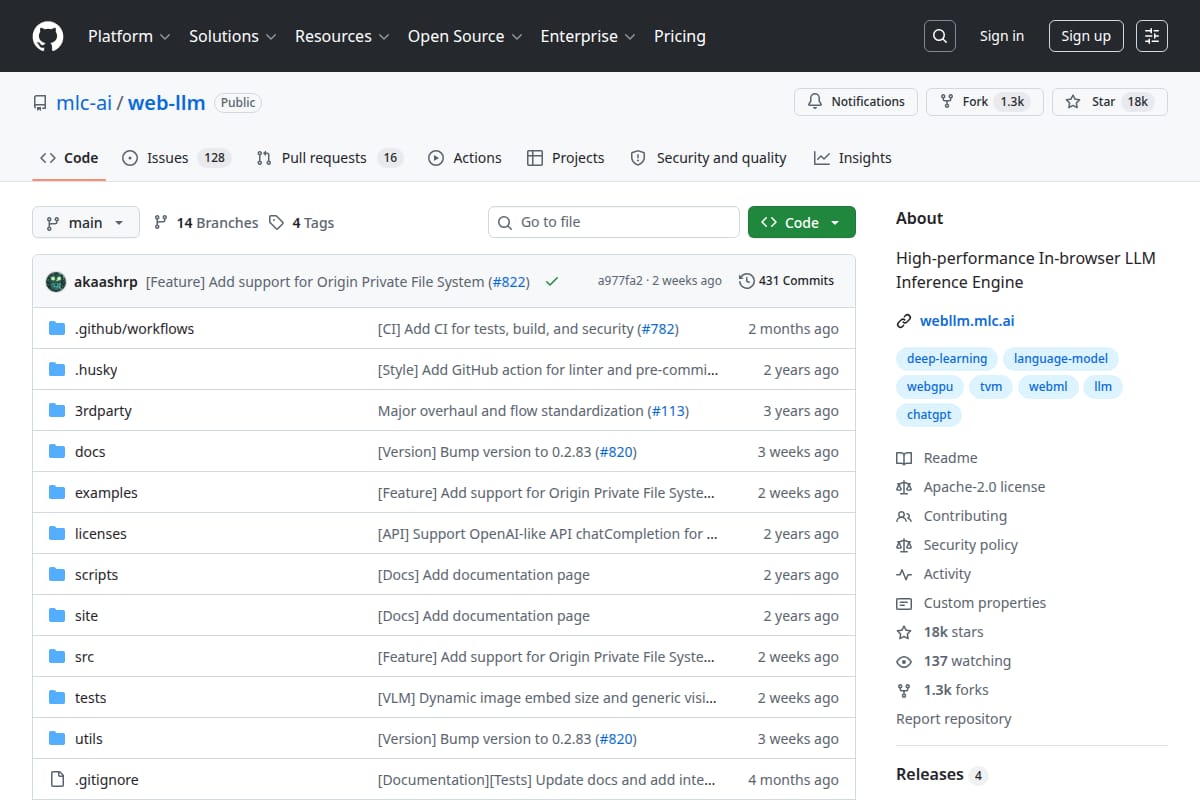
WebLLM is a high-performance in-browser LLM inference engine that runs locally in the browser with WebGPU acceleration. It exposes an OpenAI-compatible API, supports streaming and JSON mode, and includes examples for building chat apps and browser extensions.

Flightdeck screenshot
90

Developer Tool / AI Observability

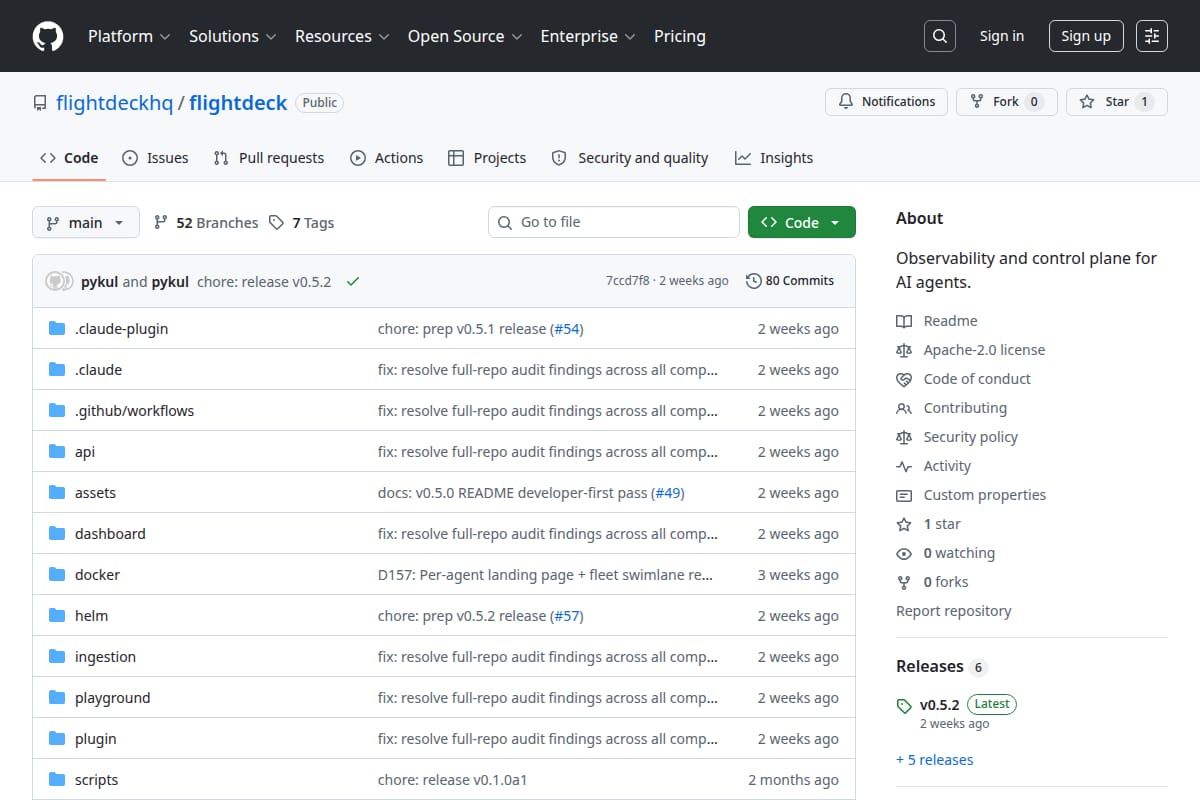
Self-hosted observability and control plane for production and coding AI agents, with live timelines, fleet-wide feeds, token budgets, MCP allow/block rules, and support for Claude Code plus a Python sensor.

Redact screenshot
#42 Redact
89

Developer Tool / Browser Extension

Browser extension that scans pastes for credentials and PII before they reach LLM chat sites, with local on-device inference and no network calls.

OSymandias screenshot
88

Developer Tool / AI Agent Runtime / Orchestration

Open-source runtime for multi-agent AI systems with job scheduling, DAG orchestration, shared memory, tool execution, and real-time observability.