AI Infrastructure / Robotics / Hardware Control

Previewing the Model Hardware Standard

Anthropic’s research preview introduces the Model Hardware Standard (MHS), a shared spec for AI agents to control physical devices and orchestrate lab or manufacturing equipment. The page explains how the standard works, shows early lab examples, and positions it as an upcoming open source standard for hardware integra

Clear28/30
Useful25/30
Specific17/20
Complete13/20
Previewing the Model Hardware Standard screenshot

Why it was accepted

This is a substantive AI infrastructure announcement with clear product-like evidence: a named standard, a documented use case, and visible details on how agents interact with hardware. The page explains the model, shows early partner examples, and is relevant to builders working on agentic control of physical devices.
Weakness

The crawl does not show documentation, code, or an implementation page, so visitors cannot tell how to adopt MHS, what devices are supported, or what the access/application process looks like in practice.

Review status

14 days ago #1135 ↓ -3

Last evaluated 14 days ago. Current rank #1135. Down 3 spots in the rankings.

Score history

83

Related listings

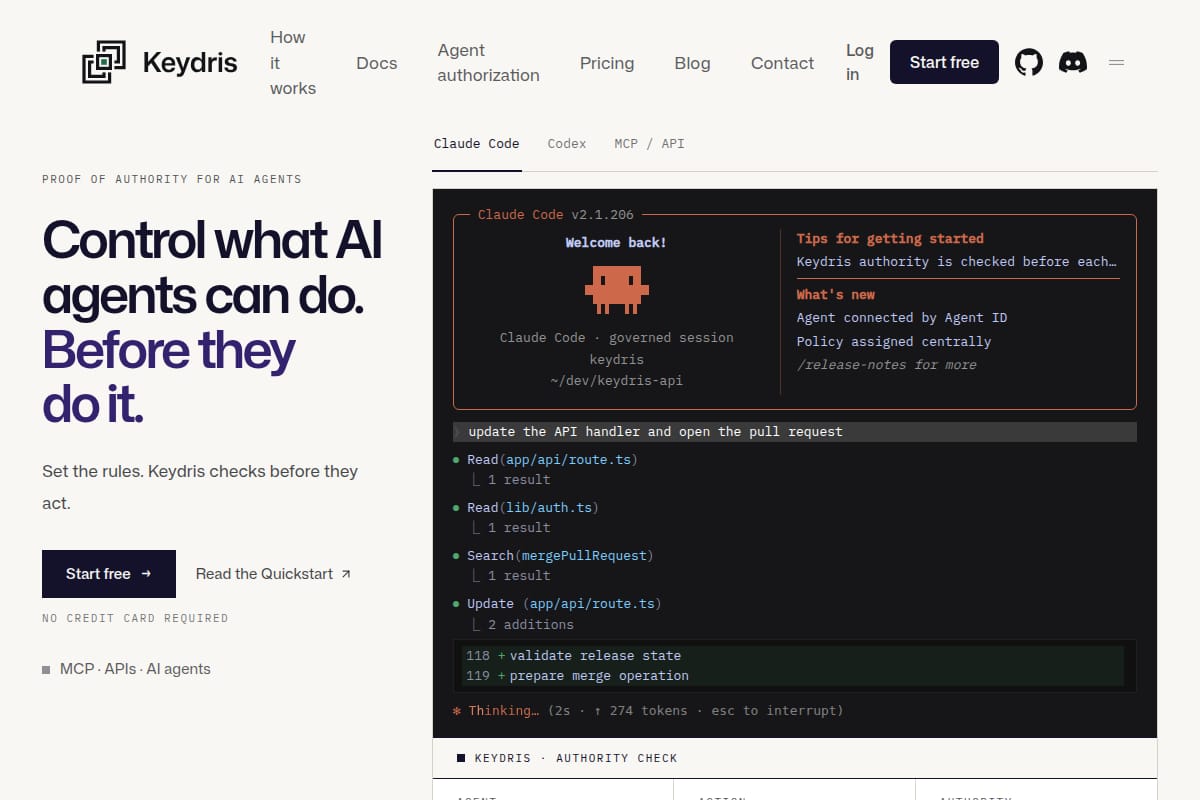
Keydris screenshot
#480 Keydris
86

AI Infrastructure / Agent Authorization / Governance

Keydris is an authorization layer for AI agents that checks whether a governed action is allowed before it runs. The page shows a working product with docs, quickstart steps, CLI install commands, policy and revocation concepts, and decision records for audit trails.

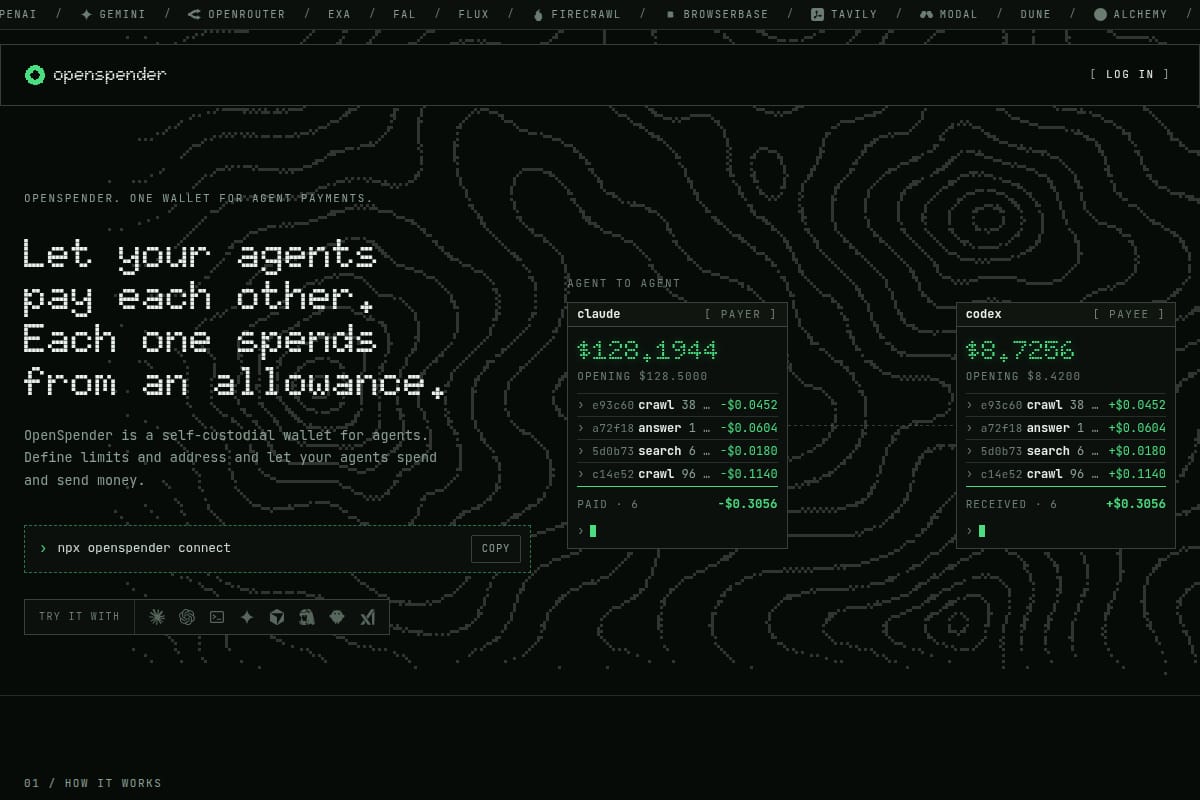
OpenSpender screenshot
84

AI Infrastructure / Payments

OpenSpender is a self-custodial wallet for agent-to-agent payments. The page shows a command-line connect flow, explains allowance-based spending rules, and includes an example of one agent paying another through MCP-compatible tools.

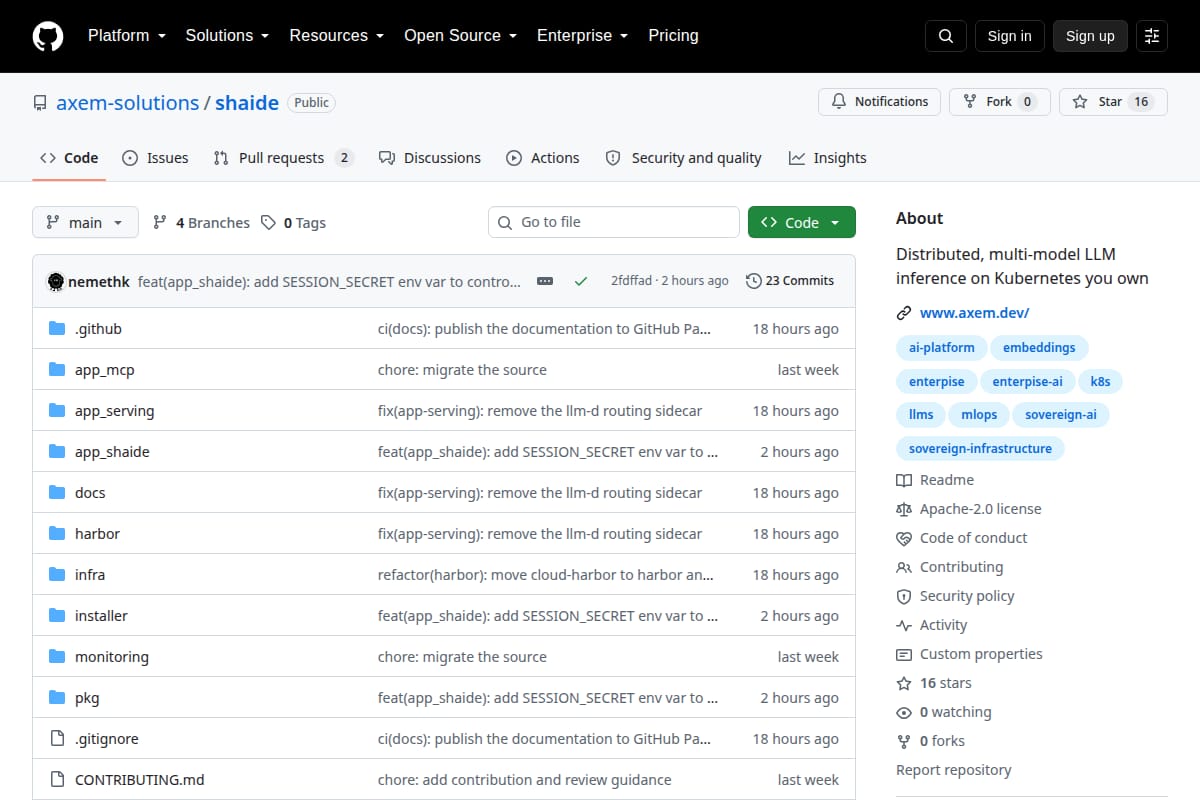
shaide screenshot
#1290 shaide
82

AI Infrastructure / LLM Serving

Self-hosted, Kubernetes-native platform for distributed multi-model LLM inference. It includes an OpenAI-compatible API, installer flow, and infrastructure-as-code deployment with support for air-gapped environments.